Water Damage Checklist: What to Do in the First 24 Hours
A family in Atlanta returns from a weekend trip to find a burst supply line under the kitchen sink and an inch of water spreading into the living…
Read More →
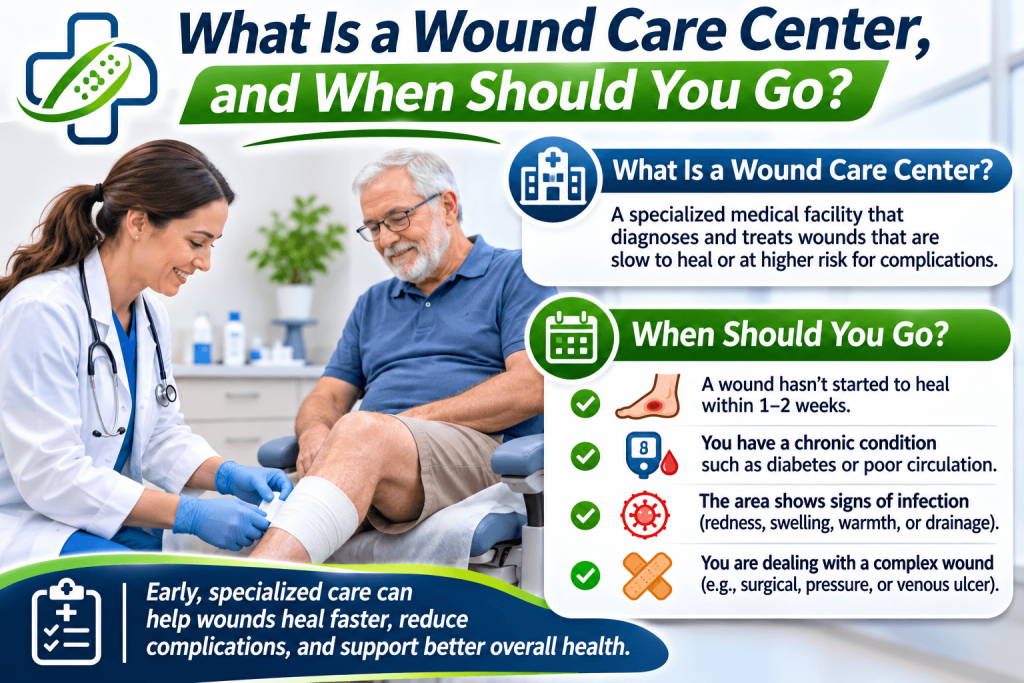
A wound care center is an outpatient clinic that treats wounds that are slow to heal, such as diabetic foot ulcers, pressure injuries, venous leg ulcers, and surgical wounds that will not close. Many patients are referred after a wound shows little progress over several weeks despite regular care.
Wound care teams often include physicians, nurses, and other specialists who address the underlying causes of poor healing, such as circulation, infection, and pressure.
Seek urgent care for signs of infection, such as spreading redness, warmth, swelling, fever, foul odor, or increasing pain.
Treatment plans often include cleaning and removing unhealthy tissue, specialized dressings, compression for certain leg ulcers, off-loading pressure from the foot, managing blood sugar, and treating infection. Some centers offer hyperbaric oxygen therapy, in which patients breathe pure oxygen in a pressurized chamber; it is used for specific approved conditions, not every wound.
Healing also depends on nutrition, smoking cessation, and managing chronic conditions. Wound care teams often coordinate with primary care doctors and specialists.
Follow dressing instructions exactly, keep wounds clean, and attend every scheduled visit. Eating enough protein, staying hydrated, managing blood sugar, and avoiding smoking can all support healing. If the care plan includes off-loading devices or compression, wear them as directed even when they feel inconvenient.
Keep a simple log of wound changes, pain levels, and questions for the next appointment. Photos can help, if your care team recommends them.
Ask how to reach the care team between visits if questions or new symptoms come up.
Bring a list of medications, medical history, insurance information, and notes about how long the wound has been present and what treatments have been tried. Wear clothing that allows easy access to the wound. Ask about visit frequency and home care instructions.
Go Editors’ wound care and healthcare listings help patients locate centers nearby; check referral rules and coverage for advanced therapies. Check whether a referral is required and confirm insurance coverage, especially for advanced therapies.
Wound care centers treat chronic and complex wounds by addressing circulation, pressure, infection, and overall health. Seek urgent care for infection signs, ask how therapies like hyperbaric oxygen apply to your case, and prepare a full history for the first visit. Go Editors can help you find wound care providers.
Consider specialist care if a wound shows little improvement over several weeks, keeps reopening, or occurs in someone with diabetes or circulation problems. Seek urgent care for spreading redness, fever, foul odor, or increasing pain, which may indicate infection. Do not wait if symptoms worsen.
Hyperbaric oxygen therapy involves breathing pure oxygen in a pressurized chamber. It is used for specific approved conditions, such as certain diabetic foot ulcers and radiation injuries. It is not appropriate for every wound, so a specialist decides whether it fits.
Some centers accept self-referrals, while many insurance plans require a referral from a doctor. Check with the center and your insurer before scheduling. A referral can also help share medical history and prior treatments. Ask your insurer about coverage. Confirm coverage before starting treatment.
Healing time varies widely based on the wound type, size, circulation, infection, and overall health. Some wounds improve within weeks, while others take months. Following the care plan and managing conditions like diabetes improves the chances of healing. Consistency with care plans matters.

Our editors review and curate local businesses so you can find trusted services faster.

A family in Atlanta returns from a weekend trip to find a burst supply line under the kitchen sink and an inch of water spreading into the living…
Read More →
Automatic delivery is usually the safer choice for households that do not want to monitor fuel levels, because the supplier schedules deliveries based on weather and usage. Will-call…
Read More →Join a curated group of top-rated local businesses and reach customers who value quality.
Register Company Listing →